Books recommended
All guests
In Love with the World: A Monk's Journey Through the Bardos of Living and Dying
Yongey Mingyur Rinpoche, Helen Tworkov

I Will Bear Witness: A Diary of the Nazi Years, 1933-1941
Victor Klemperer, Martin Chalmers
Red Cavalry and Other Stories (Penguin Classics)
Isaac Babel, David McDuff, Efraim Sicher


Episodes with George Saunders


George Saunders is tired of being the “kindness guy.”
Saunders is one of my favorite fiction writers, and a friend of the pod; I talked to him back in 2021 and 2022. He also has a reputation as a kind of guru of kindness, thanks to a viral commencement speech he gave back in 2013. We talked about kindness on the show before.
But with the publication of his new novel, “Vigil,” I noticed that something about Saunders seemed to have shifted. He was pushing back against that public persona, and wrestling with darker themes.
“Vigil” follows an oil tycoon who, on his deathbed, is visited by angels and people from his past asking him to reassess his life. And you can feel a tension in that book that is also very alive in Saunders himself — between recognizing how much of our lives are conditioned by our circumstances and the need to pass judgment to reckon with the truth.
In this conversation, I discuss that tension with Saunders. I ask him about his relationship not just to kindness but also to anger; how he defines sin; whether he believes in free will; and what he thinks lies beyond kindness.
This episode contains strong language.
Books recommended:
-
📕
I Will Bear Witness: A Diary of the Nazi Years, 1933-1941
by
Victor Klemperer,
Martin Chalmers
-
📘
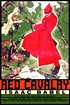
Red Cavalry and Other Stories (Penguin Classics)
by
Isaac Babel,
David McDuff,
Efraim Sicher
-
📗
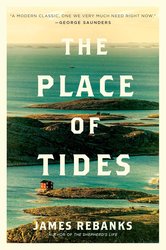
The Place of Tides: A Journey to the Land of the Eider Duck and a Life-Changing Encounter with the Women Who Gather the Birds’ Precious Down on Remote ... the acclaimed author of The Shepherd’s Life
by
James Rebanks
George Saunders
Feb. 10, 2026
View


George Saunders is regarded as one of our greatest living fiction writers. He won the Booker Prize in 2017 for his novel “Lincoln in the Bardo” and has published numerous short-story collections to wide acclaim, including his most recent book, “Liberation Day.” He also happens to be one of my favorite people to read and to talk to.
Saunders is an incredibly prescient and sharp observer of American political culture. Way back in 2007, he argued that our media environment was transforming politics into a competition within which the loudest voices would command the most attention and set the agenda for everyone else. With the rise of social media — and the advent of the Trump era — that observation has been more than vindicated. So as we approach the midterm elections, I wanted to have Saunders back on the show to talk about how politics and media have changed, and how those changes are shaping the way we interact, communicate and even think.
We discuss how Twitter takes advantage of — even warps — our “malleable” selves, how politicians like Marjorie Taylor Greene strategically manipulate our attentional environments, how Barack Obama leveraged our human desire to be seen as our best selves, whether discipline or gentleness is more effective in helping others grow, what options we have to resist anti-democratic tendencies in our politics, whether a post-scarcity future — with jobs for everyone — would leave us more or less satisfied, how the greatest evils can be committed by those trying to care for their loved ones, what attending Trump rallies taught Saunders about political violence and more.
Books recommended:
George Saunders
Nov. 8, 2022
View


George Saunders is one of America’s greatest living writers. He’s the author of dozens of critically acclaimed short stories, including his 2013 collection, “Tenth of December”; his debut novel, “Lincoln in the Bardo,” won the 2017 Booker Prize; and his nonfiction work has empathy and insight that leave pieces from more than a decade ago ringing in my head today. His most recent book, “A Swim in A Pond in the Rain,” is a literary master class built around seven Russian short stories, analyzing how they work, and what they reveal about how we work.
I’ve wanted to interview Saunders for more than 15 years. I first saw him talk when I was in college, and there was a quality of compassion and consideration in every response that was, well, strange. His voice doesn’t sound like his fiction. His fiction is bitingly satirical, manic, often unsettling. His voice is calm, kind, gracious. The dissonance stuck with me.
Saunders’s central topic, literalized in his famous 2013 commencement speech, is about what it means to be kind in an unkind world. And that’s the organizing question of this conversation, too. We discuss the collisions between capitalism and human relations, the relationship between writing and meditation, Saunders’s personal editing process, the tension between empathizing with others and holding them to account, the promise of re-localizing our politics, the way our minds deceive us, Tolstoy’s unusual theory of personal transformation, and much more.
What a pleasure this conversation was. So worth the wait.
Books recommended:
-
📗
Red Cavalry
by
Isaac Babel,
Nathalie Babel,
Peter Constantine,
Michael Dirda

-
📙
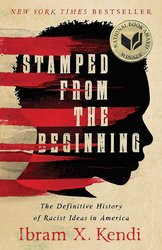
Stamped from the Beginning: The Definitive History of Racist Ideas in America (National Book Award Winner)
by
Ibram X. Kendi
-
📕
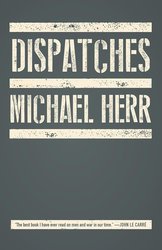
Dispatches
by
Michael Herr
-
📘
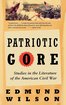
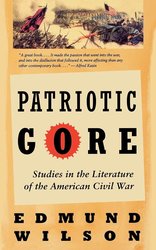
Patriotic Gore: Studies in the Literature of the American Civil War
by
Edmund Wilson
-
📗
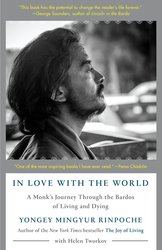
In Love with the World: A Monk's Journey Through the Bardos of Living and Dying
by
Yongey Mingyur Rinpoche,
Helen Tworkov
-
📙
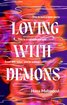
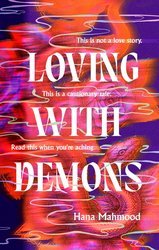
Loving With Demons
by
unknown author
-
📕
Scrambled Eggs: The Must Have Playbook for Organizing an Entrepreneurs Brain
by
Connie S. Falls

-
📘
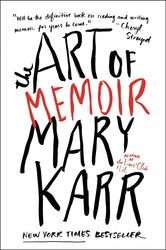
The Art of Memoir
by
Mary Karr
-
📗
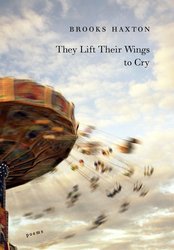
They Lift Their Wings to Cry
by
Brooks Haxton
-
📙
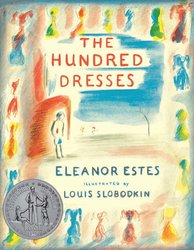
The Hundred Dresses
by
Eleanor Estes,
Louis Slobodkin
-
📕
Caps for Sale: A Tale of a Peddler, Some Monkeys and Their Monkey Business
by
Esphyr Slobodkina

George Saunders
Feb. 19, 2021
View