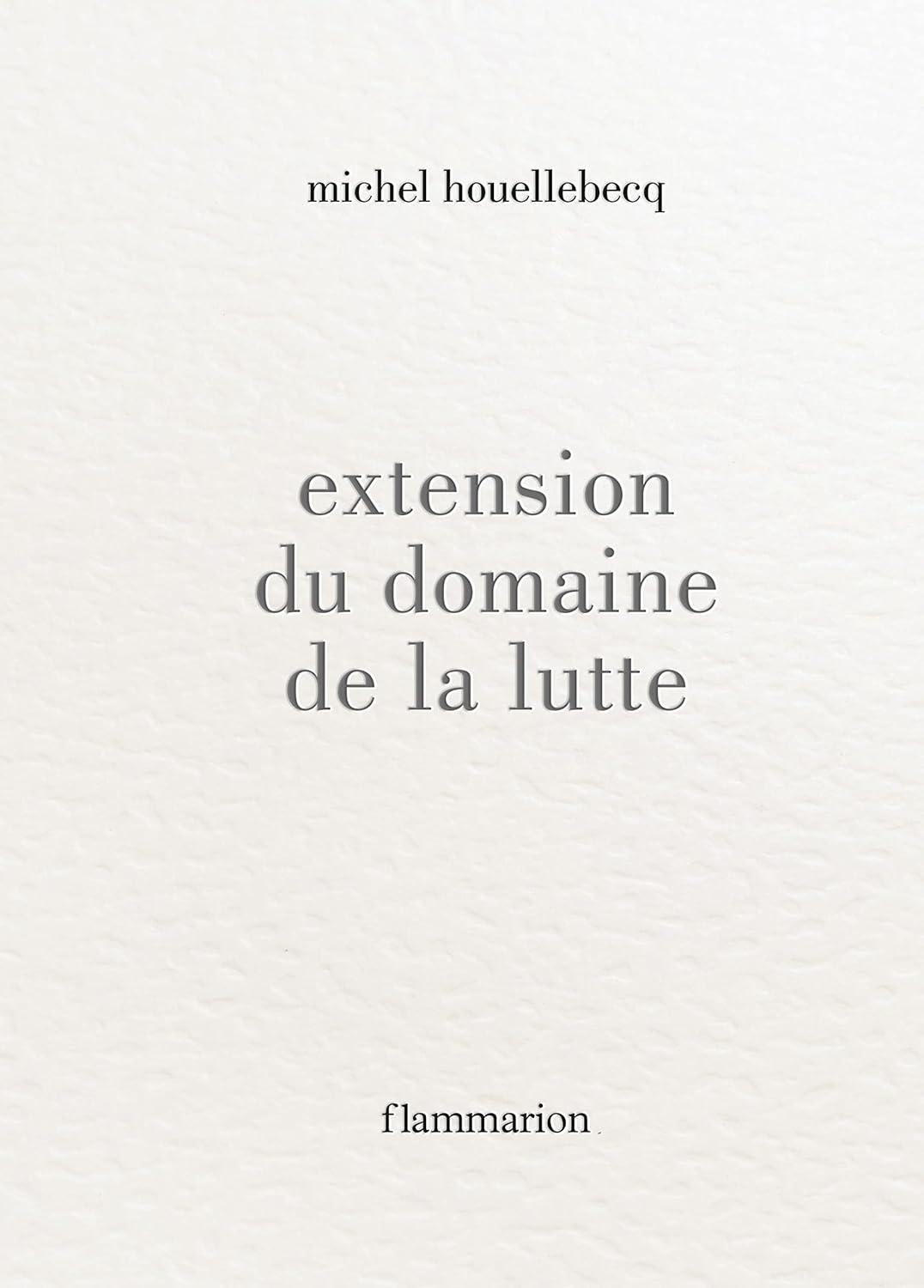

Book description
Voici l'odyssée désenchantée d'un informaticien entre deux âges, jouant son rôle en observant les mouvements humains et les banalités qui s'échangent autour des machines à café. L'installation d'un progiciel en province lui permettra d'étendre le champ de ses observations, d'anéantir les dernières illusions d'un collègue - obsédé malchanceux - et d'élaborer une théorie complète du libéralisme, qu'il soit économique ou sexuel.
Recommended on 1 episode:

Behind the intense political movements of the last decade, from Trumpism to wokeness and back again, there’s a strange and erratic rhythm. Movements saturate the culture seemingly overnight, only to evaporate or spark backlash just as rapidly. We’re extremely politically engaged, yet we’ve rarely felt so powerless to create lasting policy change.
I haven’t seen many very successful attempts to explain what is driving this volatility. But one concept that has taken off recently, and captures what so many of us are feeling, is “hyperpolitics.”
The idea comes from Anton Jäger, a historian and contributing writer to New York Times Opinion. In his book “Hyperpolitics: Extreme Politicization Without Political Consequences,” Jäger theorizes what it means to live in a moment marked by hyper-engagement — high voter turnout, mass protests, trends that flare up and fade with extreme rapidity — yet where institutional trust is low, institutional relationships are decayed and people are disconnected from the structures that make political efforts stick.
I think Jäger’s theory cuts to the core of this political era. So I invited him on the show to break down what hyperpolitics is, how we got here and what it actually takes to build lasting change today.
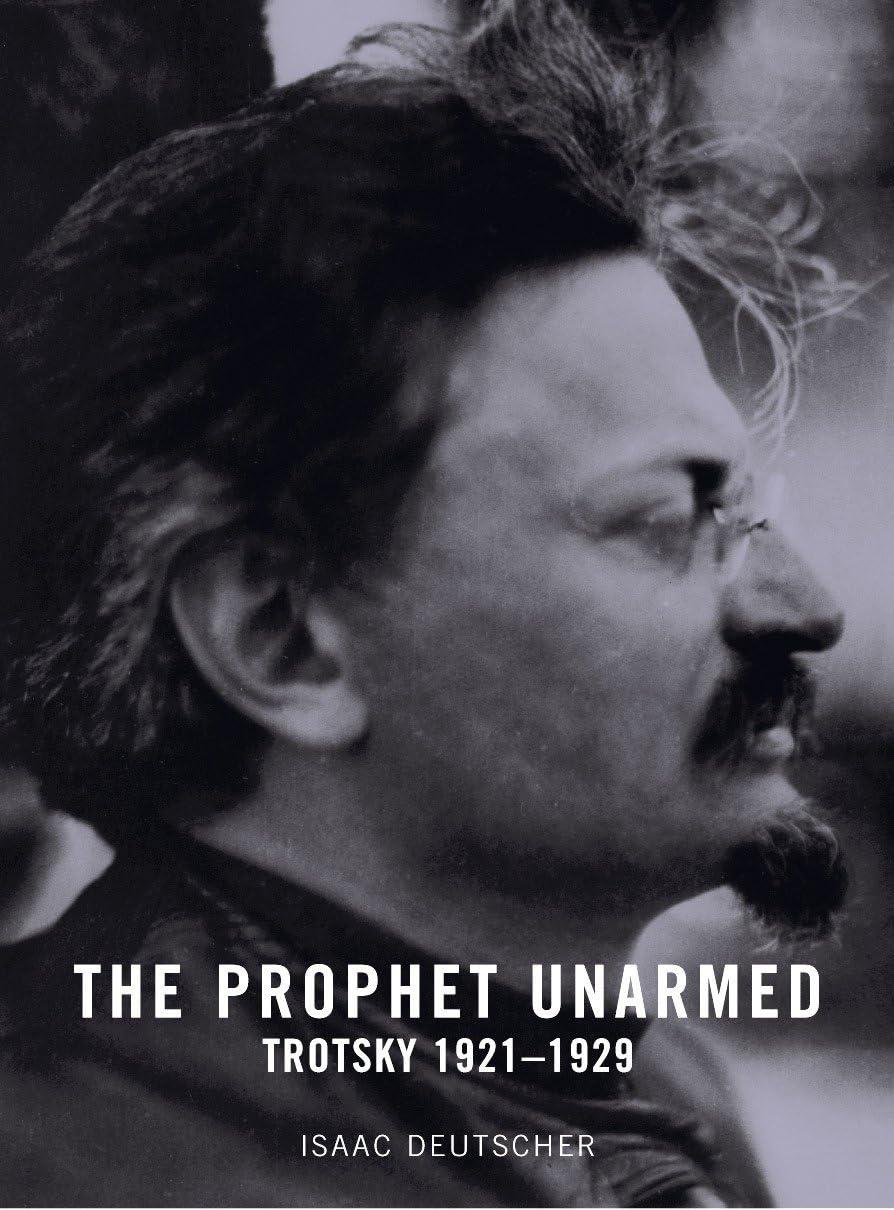
Books recommended:

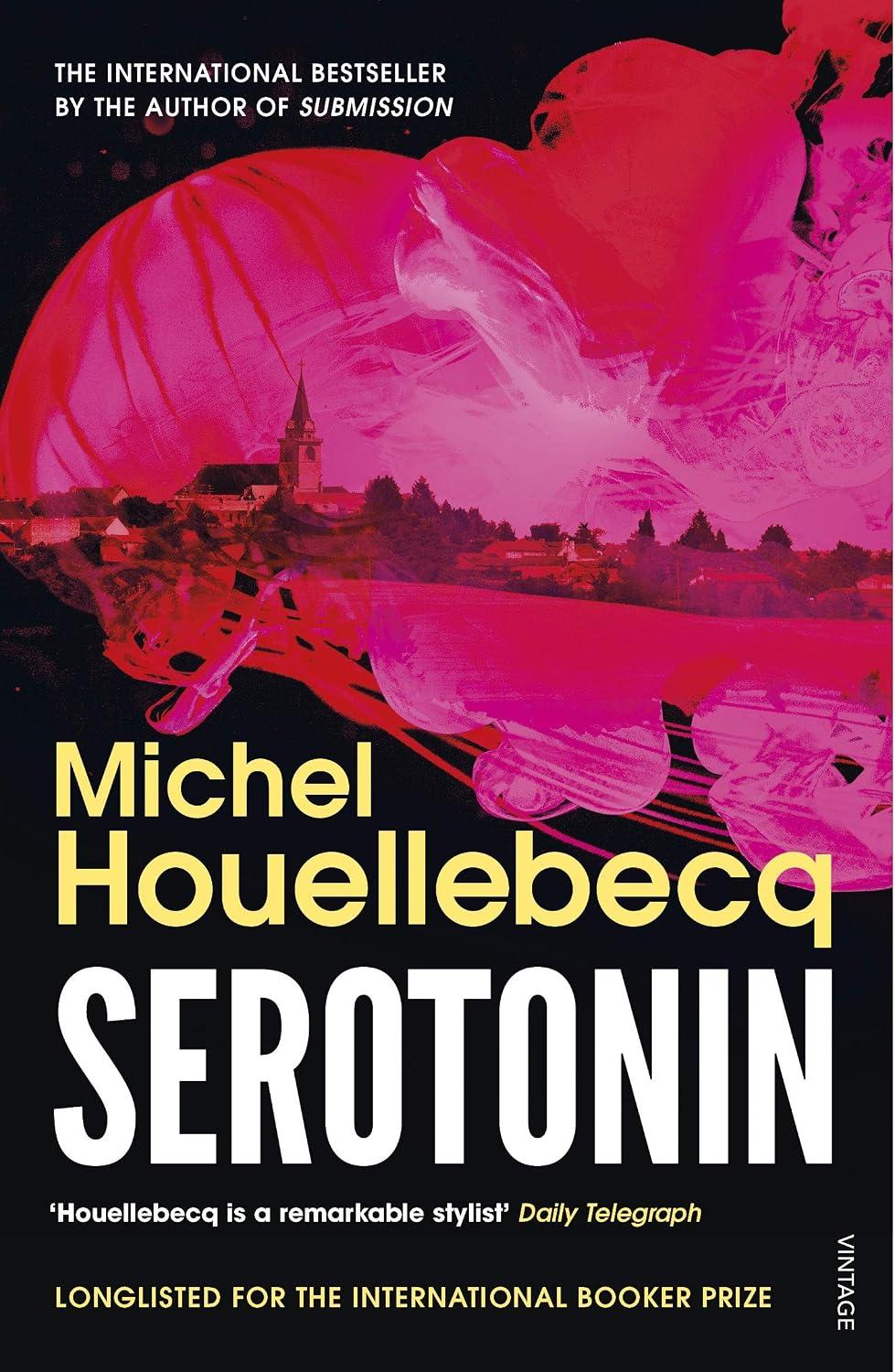
Anton Jäger
Sept. 8, 2026
View