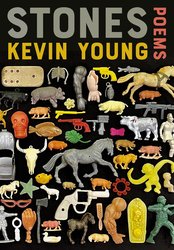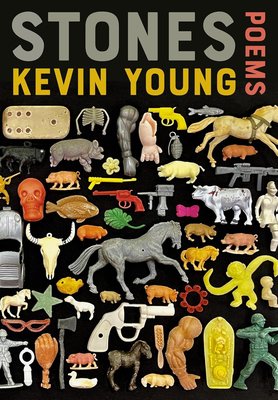
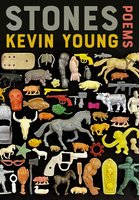
A book of loss, looking back, and what binds us to life, by a towering poetic talent, called "one of the poetry stars of his generation" ( Los Angeles Times ). "We sleep long, / if not sound," Kevin Young writes early on in this exquisite gathering of poems, "Till the end/ we sing / into the wind." In scenes and settings that circle family and the generations in the American South--one poem, "Kith," exploring that strange bedfellow of "kin"--the speaker and his young son wander among the stones of their ancestors. "Like heat he seeks them, / my son, thirsting / to learn those / he don't know / are his dead." Whether it's the fireflies of a Louisiana summer caught in a mason jar (doomed by their collection), or his grandmother, Mama Annie, who latches the screen door when someone steps out for just a moment, all that makes up our flickering precarious joy, all that we want to protect, is lifted into the light in this moving book. Stones becomes an ode to Young's home places and his dear departed, and to what of themâof usâpoetry can save.
âââOne of the biggest things about poetry is that it holds all of humanity,â the poet Ada LimĂłn tells me. âIt holds the huge and enormous and tumbling sphere of human emotions.â
When the news feels sodden with violence and division, it can be hard to know where to put the difficult emotions it provokes. Poetry may seem an unlikely destination for those emotions, especially to those who donât read it regularly. But LimĂłnâs poems are unique for the deep attention they pay to both the worldâs wounds and its redemptive beauty. In otherwise dark times, they have the power to open us up to the wonder and awe that the world still inspires.
LimĂłnâs books of poetry â like her 2018 collection, âThe Carrying,â which won the National Book Critics Circle Award, and her 2015 collection, âBright Dead Thingsâ â are filled with meditations on grief and infertility, as well as striking moments of insight about friendship, lust and our fellowship with animals. Her most recent book, âThe Hurting Kind,â explores what it means to share the planet with nonhuman beings like birds and trees. LimĂłn describes the marvels of Kentuckyâs rural landscape and the dusky beauty of a New York City bar with equal care. Her writing is highly acclaimed by fellow poets and also delightfully accessible to those who have never before picked up a book of poetry.
LimĂłn is a lively reader of her own poetry, so to structure this conversation, I asked her to read a varied selection of her work. We use those readings to discuss what poetry gives us that the news doesnât, the importance of slowing down in a world that demands speed, how the grief of infertility differs from that of losing a loved one, how to be âin communityâ with ancestors and animals in lonely times, why LimĂłn loves âchattyâ and humorous poems as much as serious ones, why we often have our best thoughts in cars and on planes, how Instagram and Twitter affect our relationship to the world, why LimĂłn meditates every day, how our relationship to excitement changes as we age and more.