From this episode
Recommended books
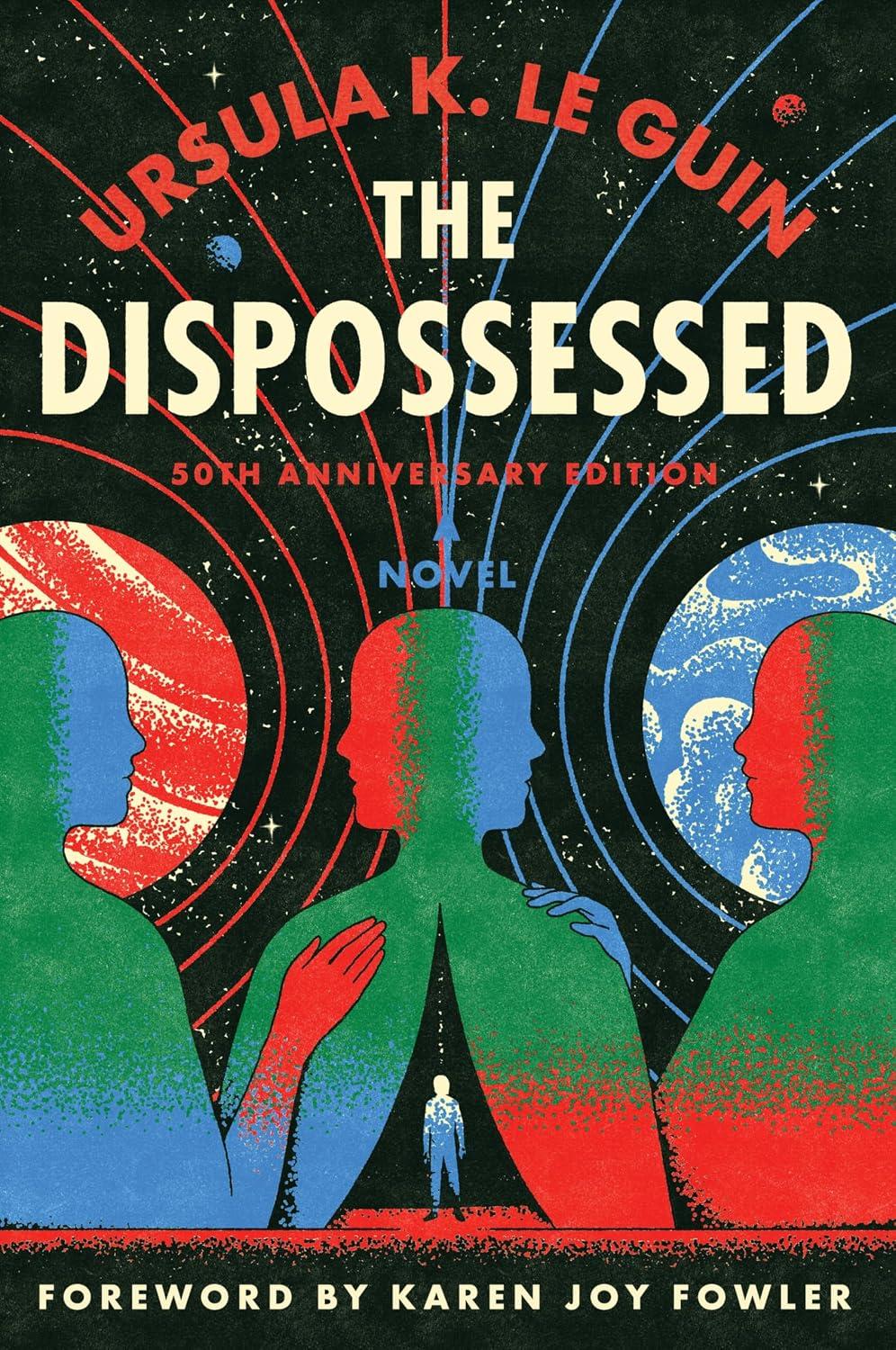
The Dispossessed [50th Anniversary Edition]: A Special Edition of the Nebula Award–Winning Classic
Authors:
Ursula K. Le Guin,
Karen Joy Fowler
One of The Atlantic’s Great American Novels “One of the greats. .
One of The Atlantic’s Great American Novels “One of the greats. . . . Not just a science fiction writer; a literary icon.” ― Stephen King "Engrossing. . . . [Le Guin] is a philosopher; an explorer in the landscape of the mind." ―Cincinnati Enquirer In celebration of its fiftieth anniversary, a commemorative edition of Ursula K. Le Guin’s Hugo, Locus, and Nebula Award–winning classic, a profound and thoughtful work of philosophical science fiction exploring anarchism and capitalism, individualism and collectivism, and one ambitious man’s quest to bridge the ideological chasm separating two worlds. This special edition includes a new foreword by Karen Joy Fowler. A science fiction classic for the ages, The Dispossessed is the spellbinding story of anarchist Shevek, the “galactically famous scientist,” who single-handedly attempts to reunite two planets cut off from each other by centuries of distrust. Anarres, Shevek’s homeland, is a bleak moon settled by an anarchic utopian civilization, where there is no government, and everyone, at least nominally, is a revolutionary. It has long been isolated from other worlds, including its mother planet, Urras―defined by warring nations, great poverty, and immense wealth. Now Shevek, a brilliant physicist, is determined to unify the two civilizations. In the face of great hostility, outright threats, and the pain of separation from his family, he makes an unprecedented trip to Urras. Greater than any concern for his own wellbeing is the belief that the walls of hatred, distrust, and philosophic division between his planet and the rest of the civilized universe must be torn down. He will seek answers, question the unquestionable, and explore differences in customs and cultures, determined to tear down the walls of hatred that have kept them apart in this landmark of social science fiction. To visit Urras―to learn, to teach, to share―will require great sacrifice and risks, which Shevek willingly accepts. Almost immediately upon his arrival, he finds not the egotistical philistines he expected, but an intelligent, complex people who warmly welcome him. But soon the ambitious scientist and his gift is seen as a threat, and in the profound conflict that ensues, he must reexamine his beliefs even as he ignites the fires of change.
Find this book on:

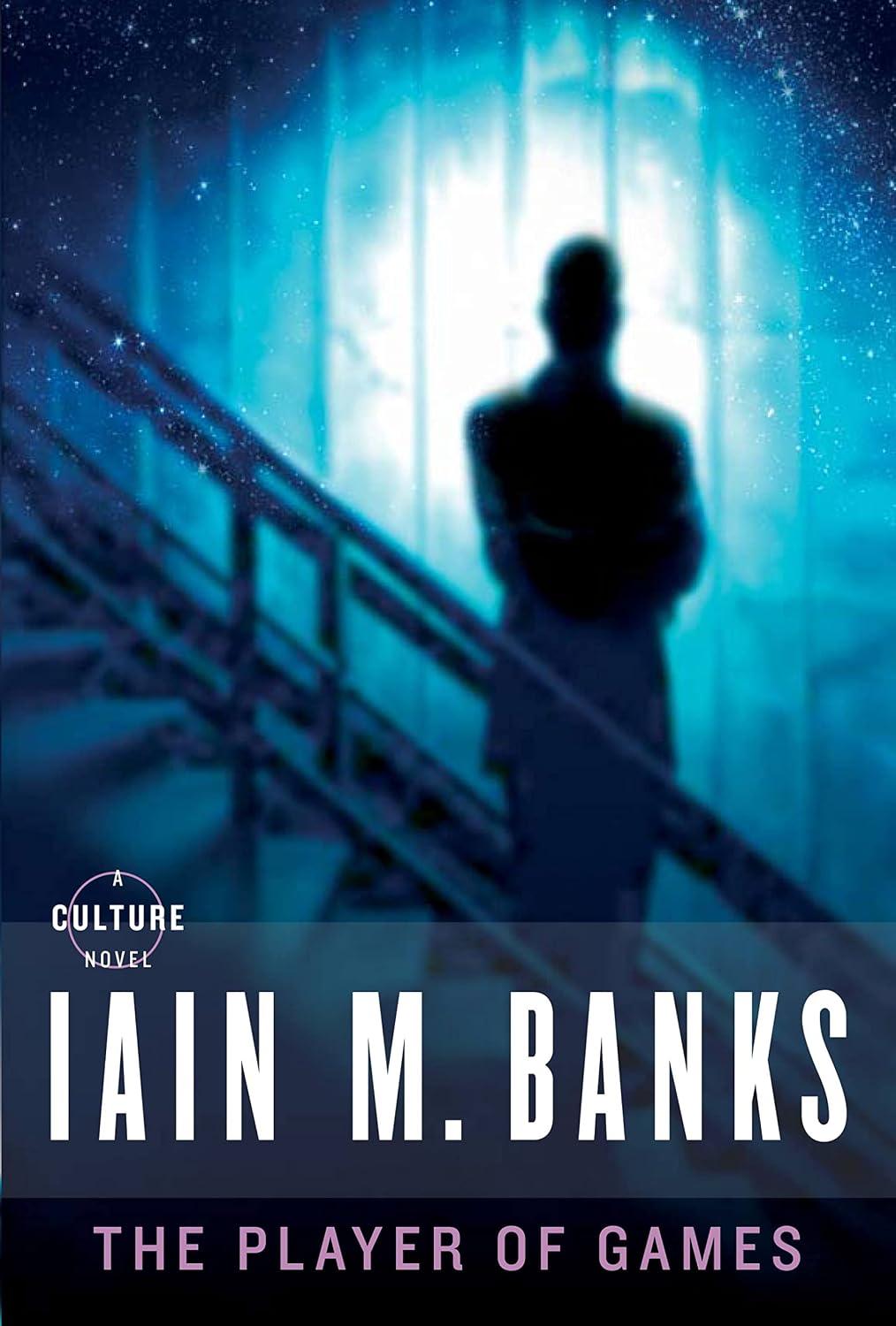
The Player of Games (Culture, 2)
Author:
Iain M. Banks
The Culture — a human/machine symbiotic society — has thrown up many great Game Players, and one of the greatest is Gurgeh Jernau Morat Gurgeh. The Player of Games.
The Culture — a human/machine symbiotic society — has thrown up many great Game Players, and one of the greatest is Gurgeh Jernau Morat Gurgeh. The Player of Games. Master of every board, computer and strategy. Bored with success, Gurgeh travels to the Empire of Azad, cruel and incredibly wealthy, to try their fabulous game. . . a game so complex, so like life itself, that the winner becomes emperor. Mocked, blackmailed, almost murdered, Gurgeh accepts the game, and with it the challenge of his life — and very possibly his death. The Culture Series Consider Phlebas The Player of Games Use of Weapons The State of the Art Excession Inversions Look to Windward Matter Surface Detail The Hydrogen Sonata
Find this book on:
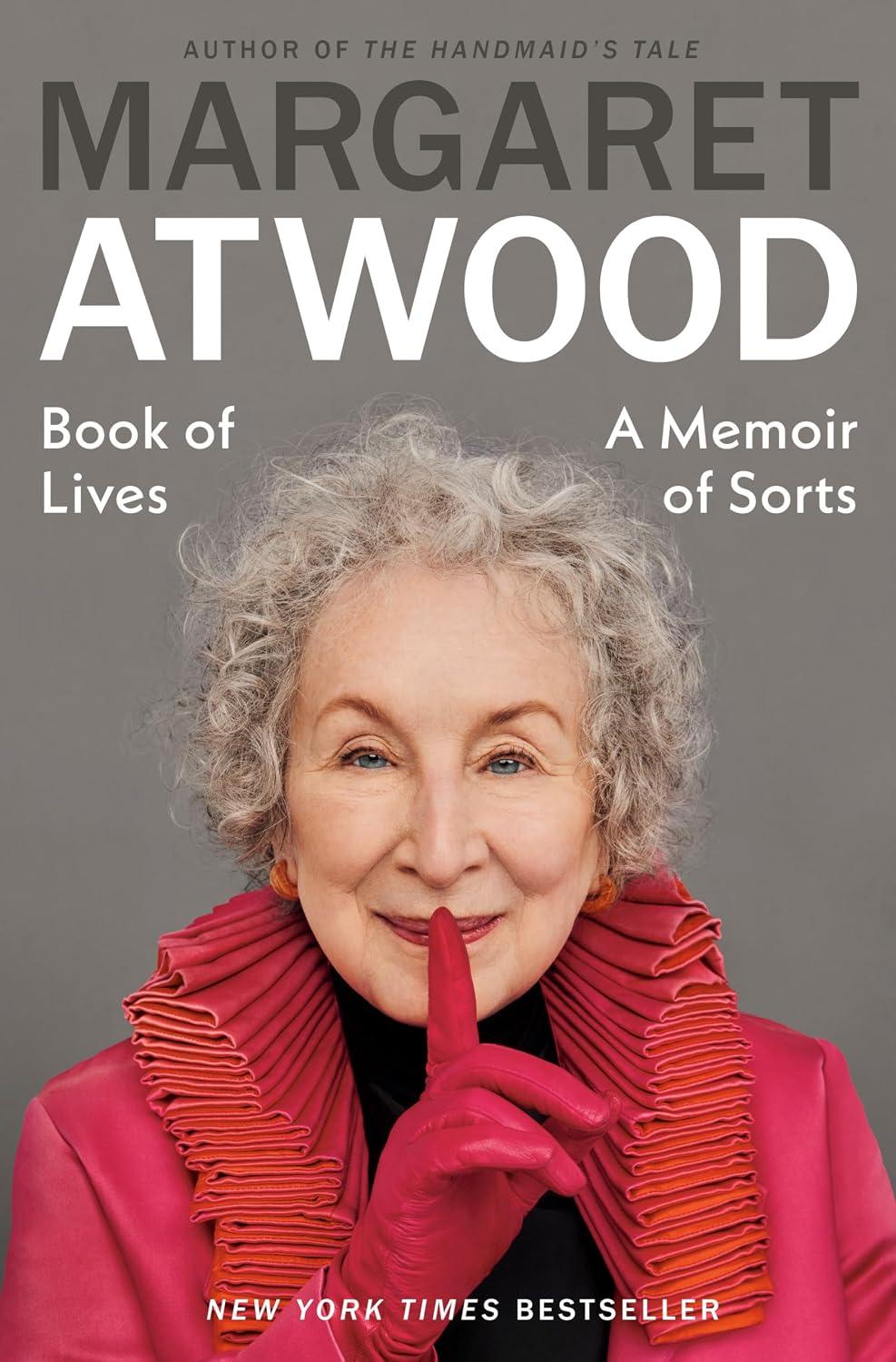
Book of Lives: A Memoir of Sorts
Author:
Margaret Atwood
NEW YORK TIMES BESTSELLER • LONGLISTED FOR THE NATIONAL BOOK CRITICS CIRCLE AWARD • NAMED A NOTABLE BOOK OF THE YEAR BY THE NEW YORK TIMES AND THE WASHINGTON POST • How does the greatest writer of our time tell her own story? "The most spectacular, hilarious, and generous autobiography of the last quarter century–or ever."— The Boston Globe Raised by scientifically minded parents, Margaret Atwood spent most of each year in the wild forest of northern Quebec: a vast playground for her entomologist father and independent, resourceful mother.
NEW YORK TIMES BESTSELLER • LONGLISTED FOR THE NATIONAL BOOK CRITICS CIRCLE AWARD • NAMED A NOTABLE BOOK OF THE YEAR BY THE NEW YORK TIMES AND THE WASHINGTON POST • How does the greatest writer of our time tell her own story? "The most spectacular, hilarious, and generous autobiography of the last quarter century–or ever."— The Boston Globe Raised by scientifically minded parents, Margaret Atwood spent most of each year in the wild forest of northern Quebec: a vast playground for her entomologist father and independent, resourceful mother. It was an unfettered and nomadic childhood, sometimes isolated but also thrilling and beautiful. From this unconventional start, Atwood unfolds the story of her life, linking key moments to the books that have shaped our literary landscape, from the cruel school year that would become Cat’s Eye to the unease of 1980s Berlin, where she began The Handmaid’s Tale . In pages alive with the natural world, reading and books, major political turning points, and her lifelong love for the charismatic writer Graeme Gibson, we meet poets, bears, Hollywood stars, and larger-than-life characters straight from the pages of an Atwood novel. As she explores her past, Atwood reveals more and more about her writing, the connections between real life and art—and the workings of one of our very greatest imaginations.
Find this book on:
Episode overview
If you want to understand the ruins of President Trump’s foreign policy, look no further than Canada. Trump tried to strong-arm America’s trading partner and closest ally with punishing tariffs and threats of becoming the “51st state” in order to extract more concessions.
The result? A recent poll found that 41 percent of Canadians now consider the United States an enemy country. Prime Minister Mark Carney is pursuing closer trade ties with China and Europe in order to diversify away from the U.S. And in August, he walked away from trade talks with the Trump administration, barreling our two countries toward a Jan. 1 deadline when huge new tariffs will go into effect.
Trump’s theory of power appears to have failed here because Canada — even though it’s the weaker party — simply refused to capitulate. There’s a broader lesson in that.
Chrystia Freeland served in a number of senior roles in the Canadian government, including deputy prime minister, minister of finance, and minister of foreign affairs, where she was a lead negotiator for Canada in trade talks with the first Trump administration. She’s the author of a new book, “Unreliable Boyfriend: An Insider’s View of Dealing With a Chaotic Superpower, Plutocrats, and Other Complicated People.”