From this episode
Recommended books
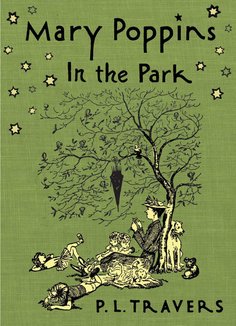
Mary Poppins in the Park
Authors:
P. L. Travers,
Mary Shepard
By P.L. Travers, the author featured in the major motion picture, Saving Mr.
By P.L. Travers, the author featured in the major motion picture, Saving Mr. Banks . From the moment Mary Poppins arrives at Number Seventeen Cherry-Tree Lane, everyday life at the Banks house is forever changed. This classic series tells the story of the world's most beloved nanny, who brings enchantment and excitement with her everywhere she goes. Featuring the charming original cover art by Mary Shepard, these new editions are sure to delight readers of all ages. Only the incomparable Mary Poppins can lead the Banks children on one marvelous adventure after another. Together they meet the Goosegirl and the Swineherd, argue with talking cats on a distant planet, make the acquaintance of the folks who live under dandelions, and celebrate a birthday by dancing with their own shadows. And that’s just for starters!
Find this book on:


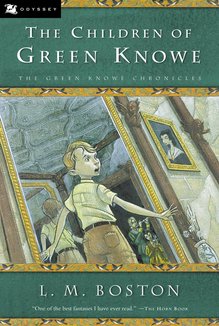
The Children of Green Knowe
Authors:
L. M. Boston,
Peter Boston
L. M.
L. M. Boston's thrilling and chilling tales of Green Knowe, a haunted manor deep in an overgrown garden in the English countryside, have been entertaining readers for half a century. Now the children of Green Knowe--both alive and ghostly--are back in appealing new editions. The spooky original illustrations have been retained, but dramatic new cover art by Brett Helquist (illustrator of A Series of Unfortunate Events) gives the books a fresh, timeless appeal for today's readers.
Find this book on:
Episode overview
Here’s a sobering thought: The older we get, the harder it is for us to learn, to question, to reimagine. This isn’t just habit hardening into dogma. It’s encoded into the way our brains change as we age. And it’s worsened by an intellectual and economic culture that prizes efficiency and dismisses play.
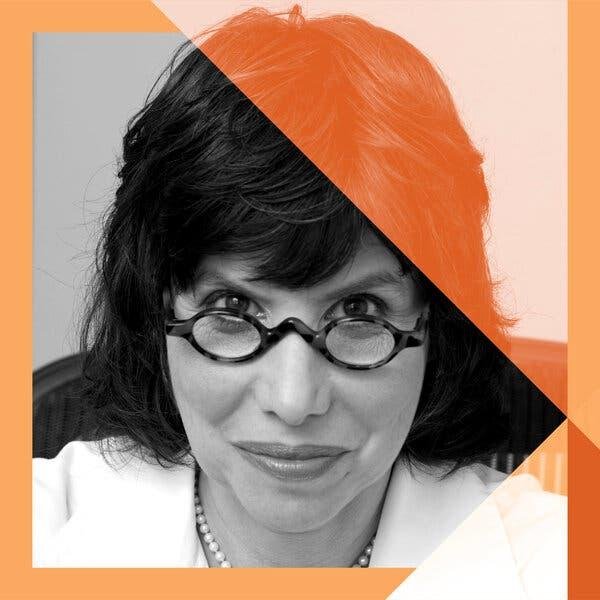
Alison Gopnik is a professor of psychology and philosophy at the University of California, Berkeley, where she runs the Cognitive Development and Learning Lab; she’s also the author of over 100 papers and half a dozen books, including “The Gardener and the Carpenter” and “The Philosophical Baby.” What I love about her work is she takes the minds of children seriously. The child’s mind is tuned to learn. They are, she writes, the R. & D. departments of the human race. But a mind tuned to learn works differently from a mind trying to exploit what it already knows.
So instead of asking what children can learn from us, perhaps we need to reverse the question: What can we learn from them?
In this conversation, Gopnik and I discuss the way children think, the cognitive reasons social change so often starts with the young, and the power of play. We talk about why Gopnik thinks children should be considered an entirely different form of Homo sapiens, the crucial difference between “spotlight” consciousness and “lantern” consciousness, why “going for a walk with a 2-year-old is like going for a walk with William Blake,” what A.I. researchers are borrowing from human children, the effects of different types of meditation on the brain and more.