From this episode
Recommended books
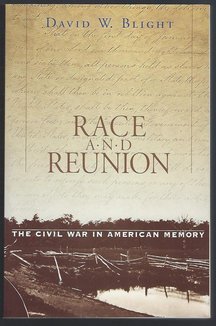
Race and Reunion: The Civil War in American Memory
Author:
David W. Blight
Winner of the Bancroft Prize Winner of the Gilder Lehrman Lincoln Prize Winner of the Merle Curti award Winner of the Frederick Douglass Prize No historical event has left as deep an imprint on America's collective memory as the Civil War. In the war's aftermath, Americans had to embrace and cast off a traumatic past.
Winner of the Bancroft Prize Winner of the Gilder Lehrman Lincoln Prize Winner of the Merle Curti award Winner of the Frederick Douglass Prize No historical event has left as deep an imprint on America's collective memory as the Civil War. In the war's aftermath, Americans had to embrace and cast off a traumatic past. David Blight explores the perilous path of remembering and forgetting, and reveals its tragic costs to race relations and America's national reunion.In 1865, confronted with a ravaged landscape and a torn America, the North and South began a slow and painful process of reconciliation. The ensuing decades witnessed the triumph of a culture of reunion, which downplayed sectional division and emphasized the heroics of a battle between noble men of the Blue and the Gray. Nearly lost in national culture were the moral crusades over slavery that ignited the war, the presence and participation of African Americans throughout the war, and the promise of emancipation that emerged from the war. Race and Reunion is a history of how the unity of white America was purchased through the increasing segregation of black and white memory of the Civil War. Blight delves deeply into the shifting meanings of death and sacrifice, Reconstruction, the romanticized South of literature, soldiers' reminiscences of battle, the idea of the Lost Cause, and the ritual of Memorial Day. He resurrects the variety of African-American voices and memories of the war and the efforts to preserve the emancipationist legacy in the midst of a culture built on its denial. Blight's sweeping narrative of triumph and tragedy, romance and realism, is a compelling tale of the politics of memory, of how a nation healed from civil war without justice. By the early twentieth century, the problems of race and reunion were locked in mutual dependence, a painful legacy that continues to haunt us today.
Find this book on:


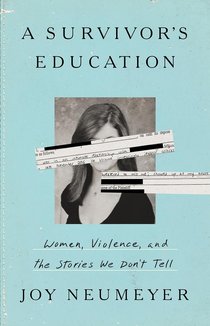
A Survivor's Education: Women, Violence, and the Stories We Don’t Tell
Author:
Joy Neumeyer
An "impeccably researched book" (Michelle Bowdler) about intimate abuse, campus politics, and the narratives we choose to believe "gives a fresh perspective on what it means to be a survivor." ( Kirkus starred review ) In this poignant self-investigation, historian and journalist Joy Neumeyer explores how violence against women is portrayed, perceived, and adjudicated today. Interweaving the harrowing account of the abuse she experienced as a graduate student at Berkeley with those of others who faced violence on campus and beyond, Neumeyer offers a startling look at how the hotly-debated Title IX system has altered university politics and culture, and uncovers the willful misremembrance that enables misconduct on scales large and small.
An "impeccably researched book" (Michelle Bowdler) about intimate abuse, campus politics, and the narratives we choose to believe "gives a fresh perspective on what it means to be a survivor." ( Kirkus starred review ) In this poignant self-investigation, historian and journalist Joy Neumeyer explores how violence against women is portrayed, perceived, and adjudicated today. Interweaving the harrowing account of the abuse she experienced as a graduate student at Berkeley with those of others who faced violence on campus and beyond, Neumeyer offers a startling look at how the hotly-debated Title IX system has altered university politics and culture, and uncovers the willful misremembrance that enables misconduct on scales large and small. Deeply researched, daringly inquisitive, and resonant for our times, A Survivor's Education reveals the entanglement of storytelling, abuse, and power–and how we can balance narrative and evidence in our attempts to determine what “really” happened.
Find this book on:
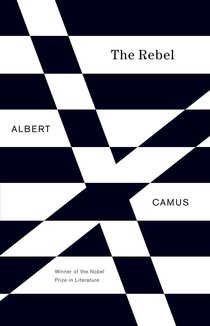
The Rebel: An Essay on Man in Revolt
Author:
Albert Camus
By one of the most profoundly influential thinkers of our century, The Rebel is a classic essay on revolution that resonates as an ardent, eloquent, and supremely rational voice of conscience for our tumultuous times. For Albert Camus, the urge to revolt is one of the "essential dimensions" of human nature, manifested in man's timeless Promethean struggle against the conditions of his existence, as well as the popular uprisings against established orders throughout history.
By one of the most profoundly influential thinkers of our century, The Rebel is a classic essay on revolution that resonates as an ardent, eloquent, and supremely rational voice of conscience for our tumultuous times. For Albert Camus, the urge to revolt is one of the "essential dimensions" of human nature, manifested in man's timeless Promethean struggle against the conditions of his existence, as well as the popular uprisings against established orders throughout history. And yet, with an eye toward the French Revolution and its regicides and deicides, he shows how inevitably the course of revolution leads to tyranny. Translated from the French by Anthony Bower.
Find this book on:
Episode overview
We are moving into the next phase of Donald Trump’s presidency. Phase 1 was the blitz of executive actions. Now comes the response from the other parts of the government — namely, the courts.
A slew of judges, some of them Republican appointees, have frozen a number of the administration’s most aggressive actions: the destruction of U.S.A.I.D., the spending freeze, DOGE’s access to the Treasury payments system and the executive order to end birthright citizenship, to name just a few.
The administration has largely — though not entirely — been abiding by these court decisions. Over the weekend, Vice President JD Vance suggested it might stop. “Judges aren’t allowed to control the executive’s legitimate power,” he posted. Down that path lies a true constitutional crisis.
So what happens if the Trump administration simply tells the courts to shove it? And what other pushback and opposition is the administration beginning to face across the government? Quinta Jurecic, a senior editor at Lawfare, joins me to talk it through.