From this episode
Recommended books
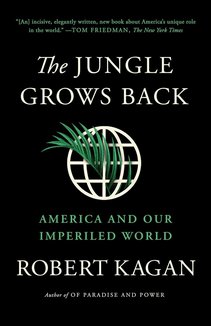
The Jungle Grows Back: America and Our Imperiled World
Author:
Robert Kagan
A brilliant and visionary argument for America's role as an enforcer of peace and order throughout the world—and what is likely to happen if we withdraw and focus our attention inward. Recent years have brought deeply disturbing developments around the globe.
A brilliant and visionary argument for America's role as an enforcer of peace and order throughout the world—and what is likely to happen if we withdraw and focus our attention inward. Recent years have brought deeply disturbing developments around the globe. American sentiment seems to be leaning increasingly toward withdrawal in the face of such disarray. In this powerful, urgent essay, Robert Kagan elucidates the reasons why American withdrawal would be the worst possible response, based as it is on a fundamental and dangerous misreading of the world. Like a jungle that keeps growing back after being cut down, the world has always been full of dangerous actors who, left unchecked, possess the desire and ability to make things worse. Kagan makes clear how the “realist” impulse to recognize our limitations and focus on our failures misunderstands the essential role America has played for decades in keeping the world's worst instability in check. A true realism, he argues, is based on the understanding that the historical norm has always been toward chaos—that the jungle will grow back, if we let it.
Find this book on:


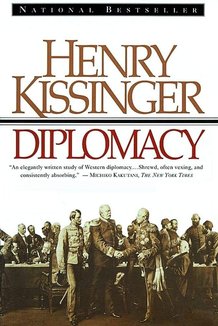
Diplomacy (Touchstone Book)
Author:
Henry Kissinger
A brilliant, sweeping history of diplomacy that includes personal stories from the noted former Secretary of State, including his stunning reopening of relations with China. The seminal work on foreign policy and the art of diplomacy.
A brilliant, sweeping history of diplomacy that includes personal stories from the noted former Secretary of State, including his stunning reopening of relations with China. The seminal work on foreign policy and the art of diplomacy. Moving from a sweeping overview of history to blow-by-blow accounts of his negotiations with world leaders, Henry Kissinger describes how the art of diplomacy has created the world in which we live, and how America’s approach to foreign affairs has always differed vastly from that of other nations. Brilliant, controversial, and profoundly incisive, Diplomacy stands as the culmination of a lifetime of diplomatic service and scholarship. It is vital reading for anyone concerned with the forces that have shaped our world today and will impact upon it tomorrow.
Find this book on:
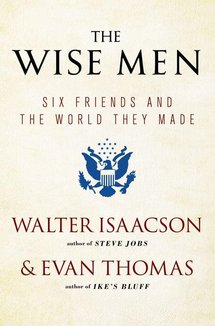
The Wise Men: Six Friends and the World They Made
Authors:
Walter Isaacson,
Evan Thomas
With a new introduction by the authors, this is the classic account of the American statesmen who rebuilt the world after the catastrophe of World War II. A captivating blend of personal biography and public drama, The Wise Men introduces six close friends who shaped the role their country would play in the dangerous years following World War II.
With a new introduction by the authors, this is the classic account of the American statesmen who rebuilt the world after the catastrophe of World War II. A captivating blend of personal biography and public drama, The Wise Men introduces six close friends who shaped the role their country would play in the dangerous years following World War II. They were the original best and brightest, whose towering intellects, outsize personalities, and dramatic actions would bring order to the postwar chaos and leave a legacy that dominates American policy to this day. The Wise Men shares the stories of Averell Harriman, the freewheeling diplomat and Roosevelt’s special envoy to Churchill and Stalin; Dean Acheson, the secretary of state who was more responsible for the Truman Doctrine than Truman and for the Marshall Plan than General Marshall; George Kennan, self-cast outsider and intellectual darling of the Washington elite; Robert Lovett, assistant secretary of war, undersecretary of state, and secretary of defense throughout the formative years of the Cold War; John McCloy, one of the nation’s most influential private citizens; and Charles Bohlen, adroit diplomat and ambassador to the Soviet Union.
Find this book on:
Episode overview
If you’re looking for a single-sentence summation of the change in America’s foreign policy under Donald Trump, you could do worse than what Trump said on Wednesday:
“The European Union was formed in order to screw the United States. That’s the purpose of it. And they’ve done a good job of it. But now I’m president.”
Trump seems to loathe America’s traditional European allies even as he warms relations with Russia. He’s threatened tariffs on Canada and Mexico while softening his rhetoric on China. And he seems fixated on the idea of territorial expansion — whether it’s the Panama Canal, Greenland or even Gaza.
There is a “Trump doctrine” emerging here. It’s one that could be glimpsed dimly in Trump’s first term but is exploding to the fore in his second. What will it mean for the world? What will it mean for the United States?
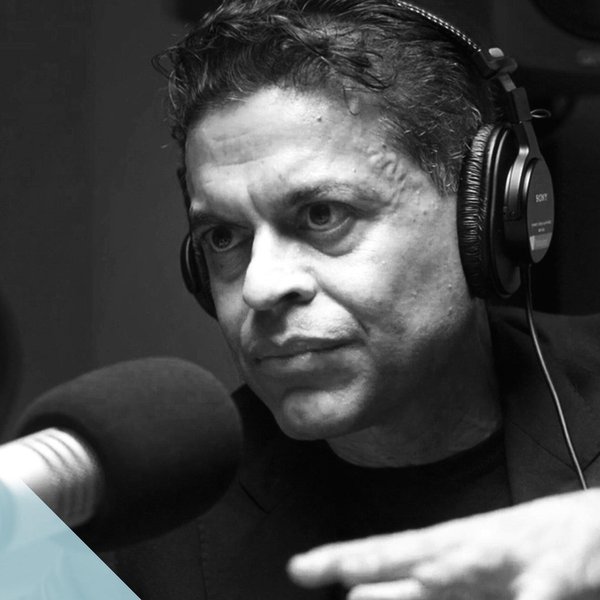
Fareed Zakaria is the host of CNN’s “Fareed Zakaria GPS,” a columnist for The Washington Post and the author of the best-selling “Age of Revolutions.” He’s one of the clearest foreign policy thinkers around, and he doesn’t disappoint here.
This episode contains strong language.