
From this episode
Recommended books
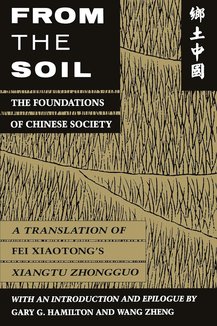
From the Soil: The Foundations of Chinese Society
Authors:
Xiaotong Fei,
Gary G. Hamilton,
Wang Zheng
This classic text by Fei Xiaotong, China's finest social scientist, was first published in 1947 and is Fei's chief theoretical statement about the distinctive characteristics of Chinese society. Written in Chinese from a Chinese point of view for a Chinese audience, From the Soil describes the contrasting organizational principles of Chinese and Western societies, thereby conveying the essential features of both.
This classic text by Fei Xiaotong, China's finest social scientist, was first published in 1947 and is Fei's chief theoretical statement about the distinctive characteristics of Chinese society. Written in Chinese from a Chinese point of view for a Chinese audience, From the Soil describes the contrasting organizational principles of Chinese and Western societies, thereby conveying the essential features of both. Fei shows how these unique features reflect and are reflected in the moral and ethical characters of people in these societies. This profound, challenging book is both succinct and accessible. In its first complete English-language edition, it is likely to have a wide impact on Western social theorists. Gary G. Hamilton and Wang Zheng's translation captures Fei's jargonless, straightforward style of writing. Their introduction describes Fei's education and career as a sociologist, the fate of his writings on and off the Mainland, and the sociological significance of his analysis. The translators' epilogue highlights the social reforms for China that Fei drew from his analysis and advocated in a companion text written in the same period.
Find this book on:


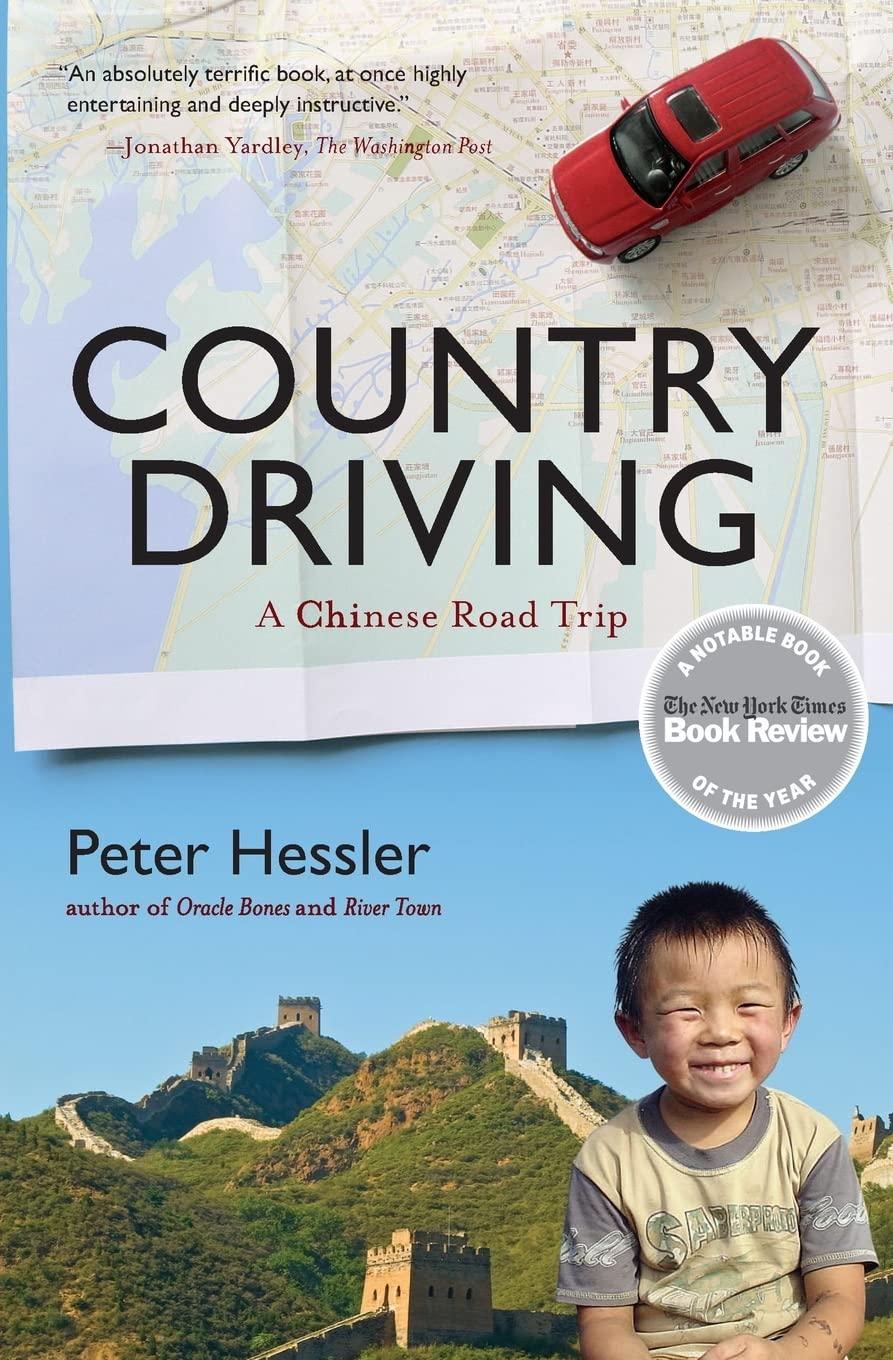
One of The Economist's Best Books of the Year From the bestselling author of Oracle Bones and River Town comes the final book in his award-winning trilogy on the human side of the economic revolution in China. Peter Hessler, whom the Wall Street Journal calls "one of the Western world's most thoughtful writers on modern China," deftly illuminates the vast, shifting landscape of a traditionally rural nation that, having once built walls against foreigners, is now building roads and factory towns that look to the outside world.
One of The Economist's Best Books of the Year From the bestselling author of Oracle Bones and River Town comes the final book in his award-winning trilogy on the human side of the economic revolution in China. Peter Hessler, whom the Wall Street Journal calls "one of the Western world's most thoughtful writers on modern China," deftly illuminates the vast, shifting landscape of a traditionally rural nation that, having once built walls against foreigners, is now building roads and factory towns that look to the outside world.
Find this book on:
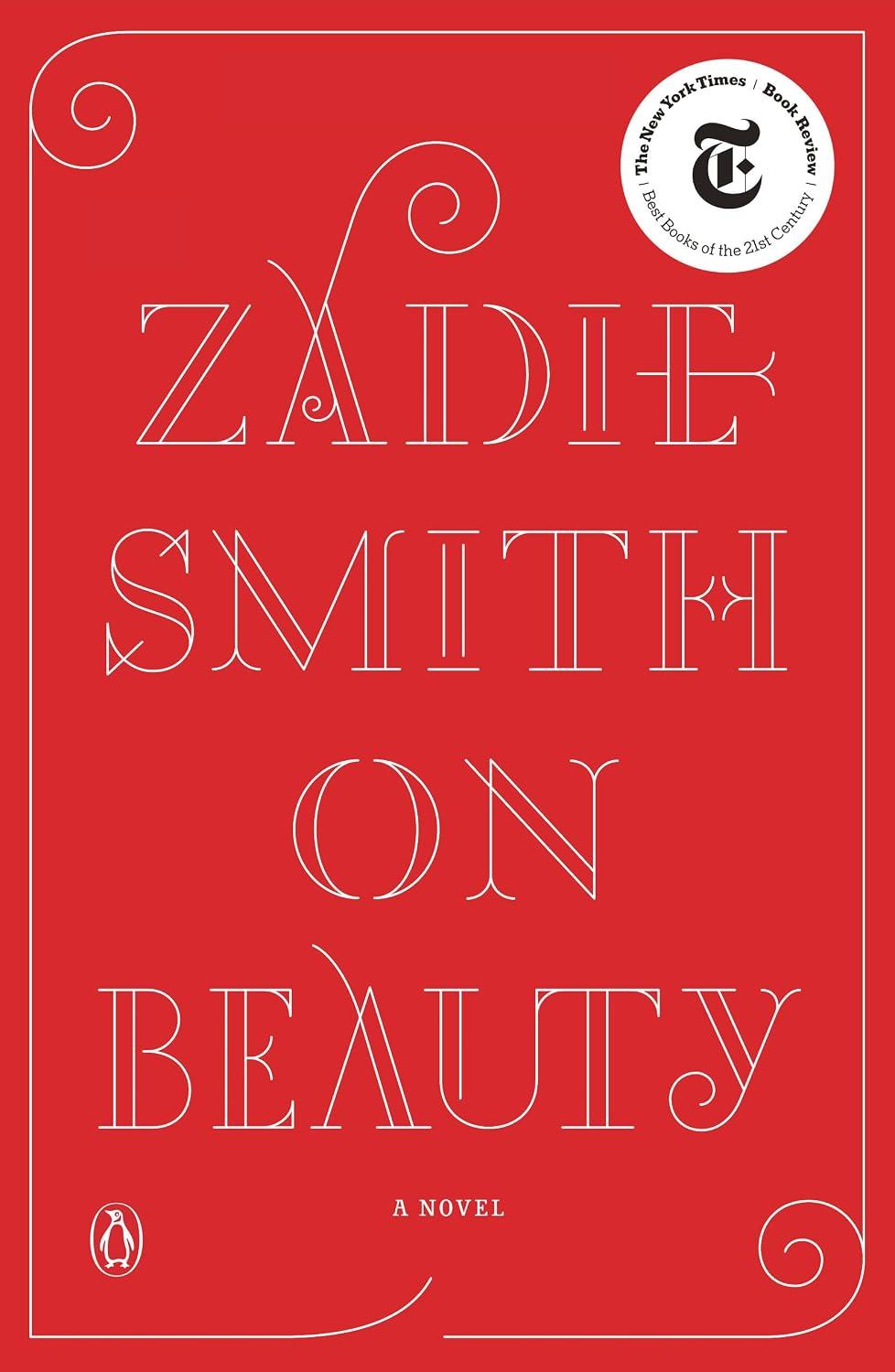
On Beauty: A Novel
Author:
Zadie Smith
One of the New York Times ’s 100 Best Books of the 21st Century Winner of the 2006 Orange Prize for Fiction, another bestselling masterwork from the celebrated author of Swing Time and White Teeth "Thoroughly original . .
One of the New York Times ’s 100 Best Books of the 21st Century Winner of the 2006 Orange Prize for Fiction, another bestselling masterwork from the celebrated author of Swing Time and White Teeth "Thoroughly original . . . A novel that is as affecting as it is entertaining, as provocative as it is humane." — Michiko Kakutani , The New York Times This wise, hilarious novel reminds us why Zadie Smith has rocketed to literary stardom. On Beauty is the story of an interracial family living in the university town of Wellington, Massachusetts, whose misadventures in the culture wars—on both sides of the Atlantic—serve to skewer everything from family life to political correctness to the combustive collision between the personal and the political. Full of dead-on wit and relentlessly funny, this tour de force confirms Zadie Smith's reputation as a major literary talent.
Find this book on:
Episode overview
America is waking up to the critical risks posed by artificial intelligence. But every conversation about possible regulation tends to hit the same wall: “Well, what about China?”
Chinese A.I. models are just slightly behind American ones. If America slows down its A.I. development to make our models safer, the fear is that China will simply race ahead of us and own this critical technology of the future — with A.I. models that are less safe than our own.
So how should the United States respond to this prisoner’s dilemma? And is it possible that the two countries leading the A.I. race could actually strike a deal?
Matt Sheehan is a senior fellow at the Carnegie Endowment for International Peace. He’s been closely following the A.I. debate in China, and how China’s been interpreting the A.I. debate here. And he’s working to try to lay a foundation for future coordination between the two countries. He’s the author of a newsletter under his name and the 2019 book “The Transpacific Experiment: How China and California Collaborate and Compete for Our Future.”
This conversation was recorded on Sept. 10.