From this episode
Recommended books
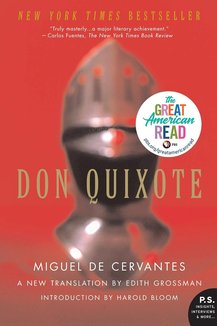
Don Quixote
Authors:
Miguel De Cervantes,
Edith Grossman
Edith Grossman's definitive English translation of the Spanish masterpiece, in an expanded P.S. edition and with an introduction by Harold Bloom "A major literary achievement."—Carlos Fuentes, New York Times Book Review Widely regarded as one of the funniest and most tragic books ever written, Don Quixote chronicles the adventures of the self-created knight-errant Don Quixote of La Mancha and his faithful squire, Sancho Panza, as they travel through sixteenth-century Spain.
Edith Grossman's definitive English translation of the Spanish masterpiece, in an expanded P.S. edition and with an introduction by Harold Bloom "A major literary achievement."—Carlos Fuentes, New York Times Book Review Widely regarded as one of the funniest and most tragic books ever written, Don Quixote chronicles the adventures of the self-created knight-errant Don Quixote of La Mancha and his faithful squire, Sancho Panza, as they travel through sixteenth-century Spain. You haven't experienced Don Quixote in English until you've read this masterful translation. This P.S. edition features an extra 16 pages of insights into the book, including author interviews, recommended reading, and more.
Find this book on:


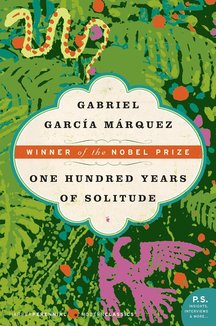
One Hundred Years of Solitude (Harper Perennial Modern Classics)
Authors:
Gabriel Garcia Marquez,
Gregory Rabassa
" One Hundred Years of Solitude is the first piece of literature since the Book of Genesis that should be required reading for the entire human race. .
" One Hundred Years of Solitude is the first piece of literature since the Book of Genesis that should be required reading for the entire human race. . . . Mr. Garcia Marquez has done nothing less than to create in the reader a sense of all that is profound, meaningful, and meaningless in life." —William Kennedy, New York Times Book Review One of the most influential literary works of our time, One Hundred Years of Solitude remains a dazzling and original achievement by the masterful Gabriel Garcia Marquez, winner of the Nobel Prize in Literature. One Hundred Years of Solitude tells the story of the rise and fall, birth and death of the mythical town of Macondo through the history of the Buendiá family. Inventive, amusing, magnetic, sad and alive with unforgettable men and women—brimming with truth, compassion, and a lyrical magic that strikes the soul—this novel is a masterpiece in the art of fiction.
Find this book on:
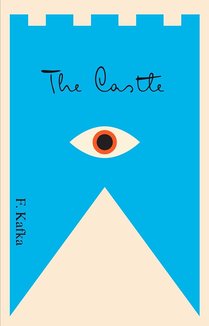
The Castle
Authors:
Franz Kafka,
Mark Harman
From the author of The Metamorphosis and The Trial— one of the greatest writers of the twentieth century—the haunting tale of K.’s relentless, unavailing struggle with an inscrutable authority in order to gain access to the Castle. Translated and with a preface by Mark Harman.
From the author of The Metamorphosis and The Trial— one of the greatest writers of the twentieth century—the haunting tale of K.’s relentless, unavailing struggle with an inscrutable authority in order to gain access to the Castle. Translated and with a preface by Mark Harman. Arriving in a village to take up the position of land surveyor for the mysterious lord of a castle, the character known as K. finds himself in a bitter and baffling struggle to contact his new employer and go about his duties. The Castle 's original manuscript was left unfinished by Kafka in 1922 and not published until 1926, two years after his death. Scrupulously following the fluidity and breathlessness of the sparsely punctuated original manuscript, Mark Harman’s new translation reveals levels of comedy, energy, and visual power previously unknown to English language readers.
Find this book on:
Episode overview
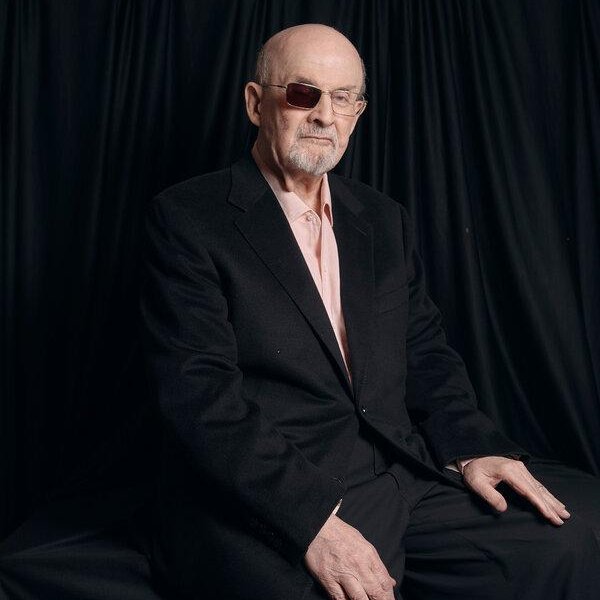
Salman Rushdie’s 1988 novel, “The Satanic Verses,” made him the target of Ayatollah Ruhollah Khomeini, who denounced the book as blasphemous and issued a fatwa calling for his assassination. Rushdie spent years trying to escape the shadow the fatwa cast on him, and for some time, he thought he succeeded. But in 2022, an assailant attacked him onstage at a speaking engagement in western New York and nearly killed him.
“I think now I’ll never be able to escape it. No matter what I’ve already written or may now write, I’ll always be the guy who got knifed,” he writes in his new memoir, “Knife: Meditations After an Attempted Murder.”
In this conversation, I asked Rushdie to reflect on his desire to escape the fatwa; the gap between the reputation of his novels and their actual merits; how his “shadow selves” became more real to millions than he was; how many of us in the internet age also have to contend with our many shadow selves; what Rushdie lives for now; and more.