
From this episode
Recommended books
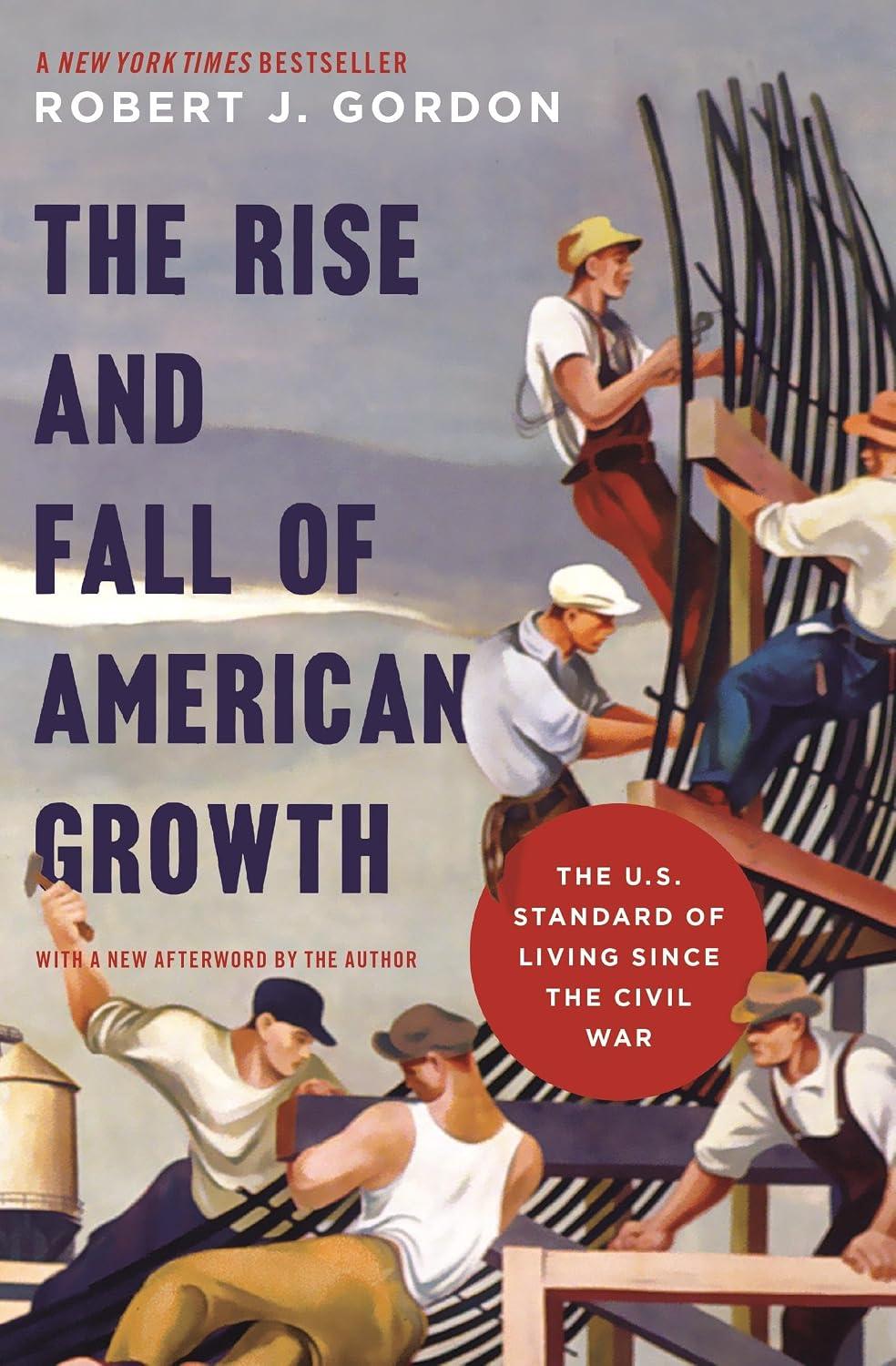
How America's high standard of living came to be and why future growth is under threat In the century after the Civil War, an economic revolution improved the American standard of living in ways previously unimaginable. Electric lighting, indoor plumbing, motor vehicles, air travel, and television transformed households and workplaces.
How America's high standard of living came to be and why future growth is under threat In the century after the Civil War, an economic revolution improved the American standard of living in ways previously unimaginable. Electric lighting, indoor plumbing, motor vehicles, air travel, and television transformed households and workplaces. But has that era of unprecedented growth come to an end? Weaving together a vivid narrative, historical anecdotes, and economic analysis, The Rise and Fall of American Growth challenges the view that economic growth will continue unabated, and demonstrates that the life-altering scale of innovations between 1870 and 1970 cannot be repeated. Gordon contends that the nation's productivity growth will be further held back by the headwinds of rising inequality, stagnating education, an aging population, and the rising debt of college students and the federal government, and that we must find new solutions. A critical voice in the most pressing debates of our time, The Rise and Fall of American Growth is at once a tribute to a century of radical change and a harbinger of tougher times to come.
Find this book on:

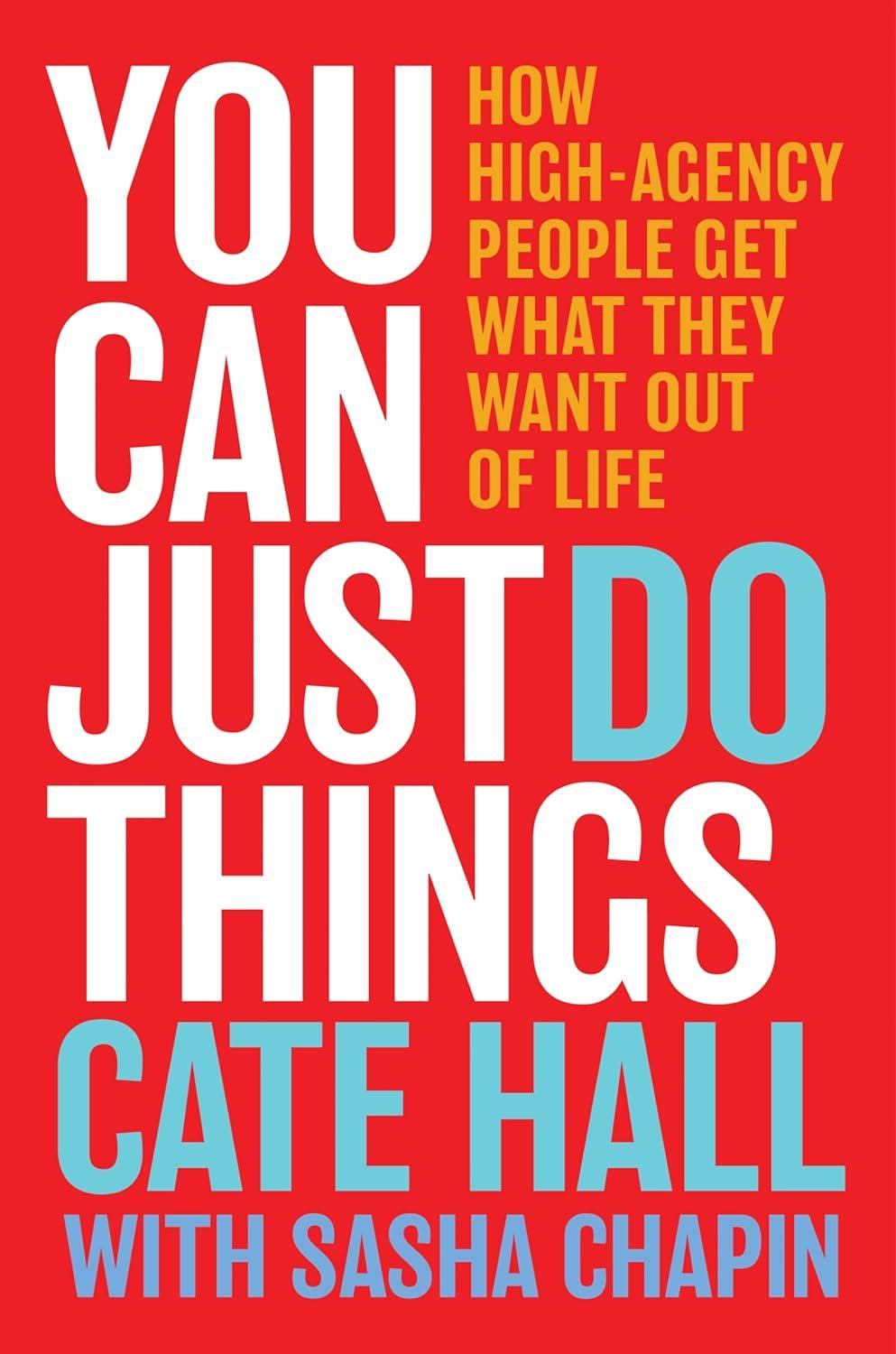
You Can Just Do Things: How High-Agency People Get What They Want Out of Life
Authors:
Cate Hall,
Sasha Chapin
You’ve been taught success comes from careful planning, learning the ropes, and earning one promotion at a time. But what about the people who seem to skip all that?
You’ve been taught success comes from careful planning, learning the ropes, and earning one promotion at a time. But what about the people who seem to skip all that? We all know a few rare individuals who never stop moving, taking wild risks, and collecting public failures, yet somehow always seem to land on top. Cate Hall is one of those maddening, inspiring people. She left an elite legal career just before making partner to gamble for a living — and became the world’s top-ranked female poker player. A drug addiction left her broke and brain-damaged, but a year after emerging from it, she co-founded a biotech startup that set a clinical trial speed record. Not long after, she took the helm of one of the world’s largest philanthropic foundations. Why don’t the rules apply to her? What if they don’t apply to you either? In You Can Just Do Things , Cate Hall argues that the so-called “rules” of success aren’t rules at all — they’re productivity guidelines for low-agency people. Hall shows readers how to live with agency and take control of your future: Increase your surface area for luck Take every shortcut available Build “forcing functions” that ensure commitment Use your deepest insecurities as fuel for growth Are you ready to cross the cringe minefield? To show up where you don’t belong, apply for jobs you’re not qualified for, call people who aren’t expecting it, and risk looking foolish in front of others? Every time you think, “Somebody should do this,” that somebody can be you. An uncomfortable psychological journey and a toolkit for bold living, You Can Just Do Things reveals how to stop waiting and start building the life you want.
Find this book on:
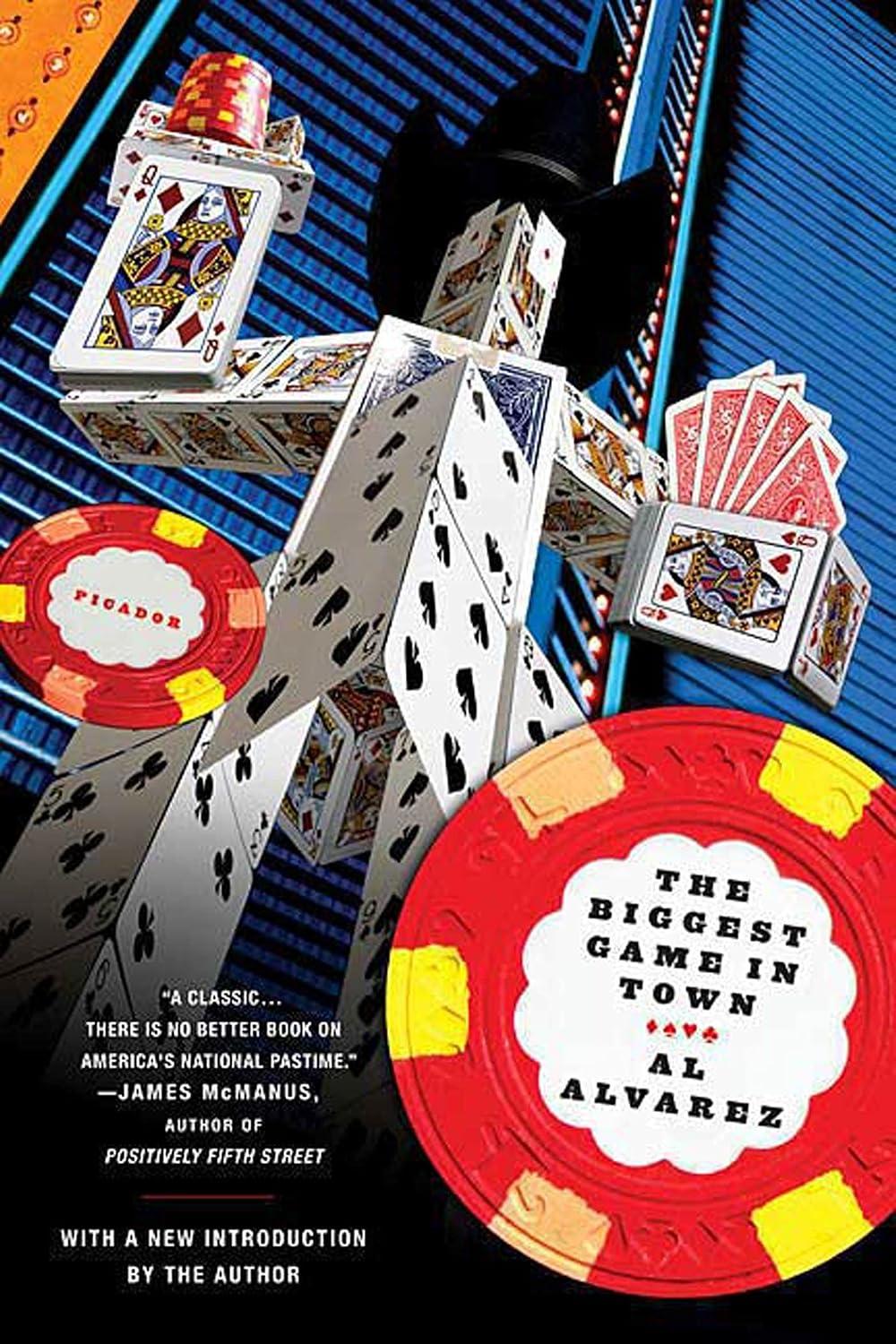
The Biggest Game in Town
Author:
Al Alvarez
Al Alvarez touched down in Las Vegas one hot day in 1981, a dedicated amateur poker player but a stranger to the town and its crazy ways. For three mesmerizing weeks he witnessed some of the monster high-stakes games that could only have happened in Vegas and talked to the extraordinary characters who dominated them--road gamblers and local professionals who won and lost fortunes on a regular basis.
Al Alvarez touched down in Las Vegas one hot day in 1981, a dedicated amateur poker player but a stranger to the town and its crazy ways. For three mesmerizing weeks he witnessed some of the monster high-stakes games that could only have happened in Vegas and talked to the extraordinary characters who dominated them--road gamblers and local professionals who won and lost fortunes on a regular basis. Set over the course of one tournament, The Biggest Game in Town is botha chronicle of the World Series of Poker--the first ever written--and a portrait of the hustlers, madmen, and geniuses who ruled the high-stakes game in America. It is a brilliant insight into poker's appeal as a hobby, an addiction, and a way of life, and into the skewed psychology of master players and fearless gamblers. With a new introduction by the author, Alvarez's classic account is "the greatest dissection of high-stakes Vegas poker and the madness that surrounds it ever written" ( TimeOut [UK]).
Find this book on:
Episode overview
“If the election goes roughly as the polls say it will go, then in some ways it would mark the end of the Trump era,” Nate Silver told me.
The midterms are a week away, and it looks entirely possible that Democrats will win not just the House, but also the Senate. Democrats are polling competitively deep into red territory – Texas, Ohio, Alaska, Iowa, Kansas – states that Trump won in 2024 by double digits.
But Democrats have been burned by big polling misses before. So can we really trust what the polls are telling us? And what stories have emerged in the data that we might see play out on election night?
Silver is an internationally famous elections nerd, one of the people who made election forecasting a core part of American political discourse. He edits The Silver Bulletin on Substack, co-hosts the podcast “Still Counting” and is the author, most recently, of “On the Edge: The Art of Risking Everything.”