
From this episode
Recommended books
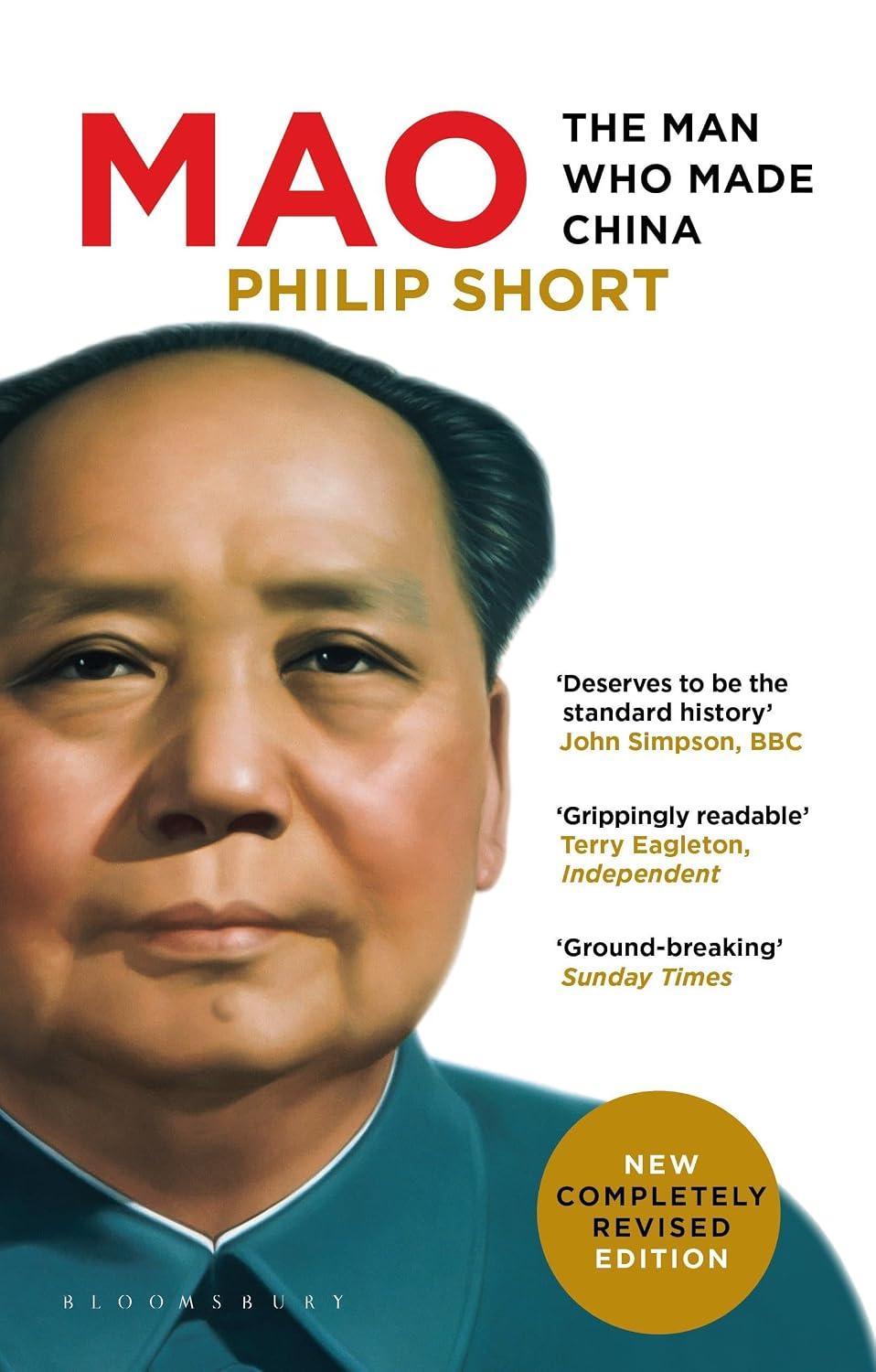
Mao: The Man Who Made China
Author:
Philip Short
One of the great figures of the twentieth century, Chairman Mao looms irrepressibly over the economic rise of China. Mao Zedong was the leader of a revolution, a communist who lifted hundreds of millions out of poverty, an aggressive and distrustful leader, and a man responsible for more civilian deaths than perhaps any other historical figure.
One of the great figures of the twentieth century, Chairman Mao looms irrepressibly over the economic rise of China. Mao Zedong was the leader of a revolution, a communist who lifted hundreds of millions out of poverty, an aggressive and distrustful leader, and a man responsible for more civilian deaths than perhaps any other historical figure. Now, four decades after Mao's death, acclaimed biographer Philip Short presents a fully updated and revised edition of his ground-breaking and masterly biography. Vivid, uncompromising and unflinching, Short presents in one-volume the man behind the propaganda - his family, his beliefs and his horrors. In doing so he shows us both the human being Mao was, and the monster he became.
Find this book on:

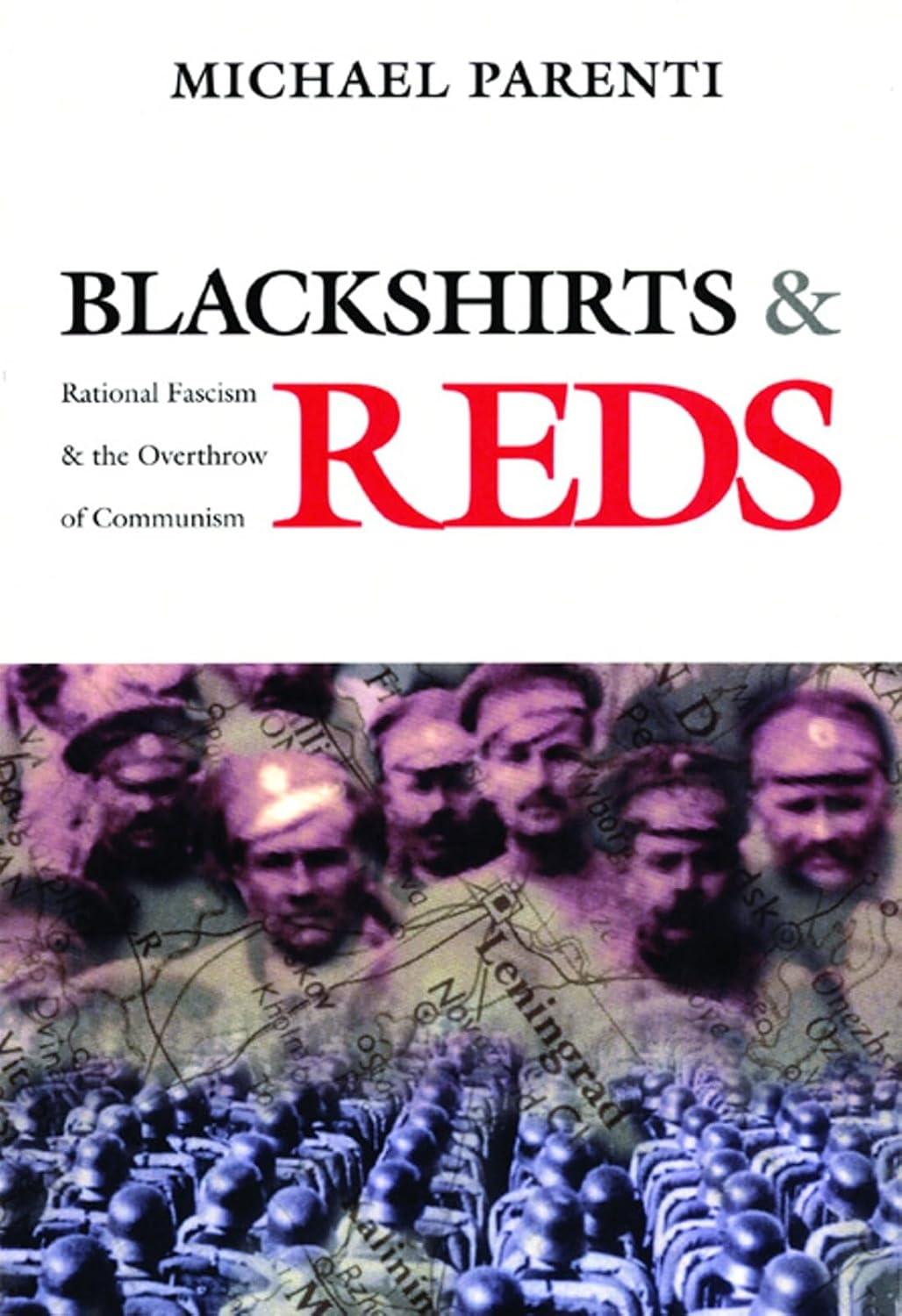
Blackshirts and Reds: Rational Fascism and the Overthrow of Communism
Author:
Michael Parenti
A bold and entertaining exploration of the epic struggles of yesterday and today. Blackshirts & Reds explores some of the big issues of our time: fascism, capitalism, communism, revolution, democracy, and ecology.
A bold and entertaining exploration of the epic struggles of yesterday and today. Blackshirts & Reds explores some of the big issues of our time: fascism, capitalism, communism, revolution, democracy, and ecology. These terms are often bandied about, but seldom explored in the original and exciting way that has become Michael Parenti's trademark. Parenti shows how "rational fascism" renders service to capitalism, how corporate power undermines democracy, and how revolutions are a mass empowerment against the forces of exploitative privilege. He also maps out the external and internal forces that destroyed communism, and the disastrous impact of the "free-market" victory on eastern Europe and the former Soviet Union. He affirms the relevance of taboo ideologies like Marxism, demonstrating the importance of class analysis in understanding political realities and dealing with the ongoing collision between ecology and global corporatism. Written with lucid and compelling style, this book goes beyond truncated modes of thought, inviting us to entertain iconoclastic views, and to ask why things are as they are. "A penetrating and persuasive writer with an astonishing array of documentation to implement his attacks." — The Catholic Journalist "By portraying the struggle between fascism and Communism in this century as a single conflict, and not a series of discrete encounters, between the insatiable need for new capital on the one hand and the survival of a system under siege on the other, Parenti defines fascism as the weapon of capitalism, not simply an extreme form of it. Fascism is not an aberration, he points out, but a 'rational' and integral component of the system." —Stan Goff, author of Full Spectrum Disorder: The Military in the New American Century Michael Parenti , PhD Yale, is an internationally known author and lecturer. He is one of the nation's leading progressive political analysts. Author of over 275 published articles and twenty books, his writings are published in popular periodicals, scholarly journals, and his op-ed pieces have been in leading newspapers such as The New York Times and The Los Angeles Times . His informative and entertaining books and talks have reached a wide range of audiences in North America and abroad.
Find this book on:
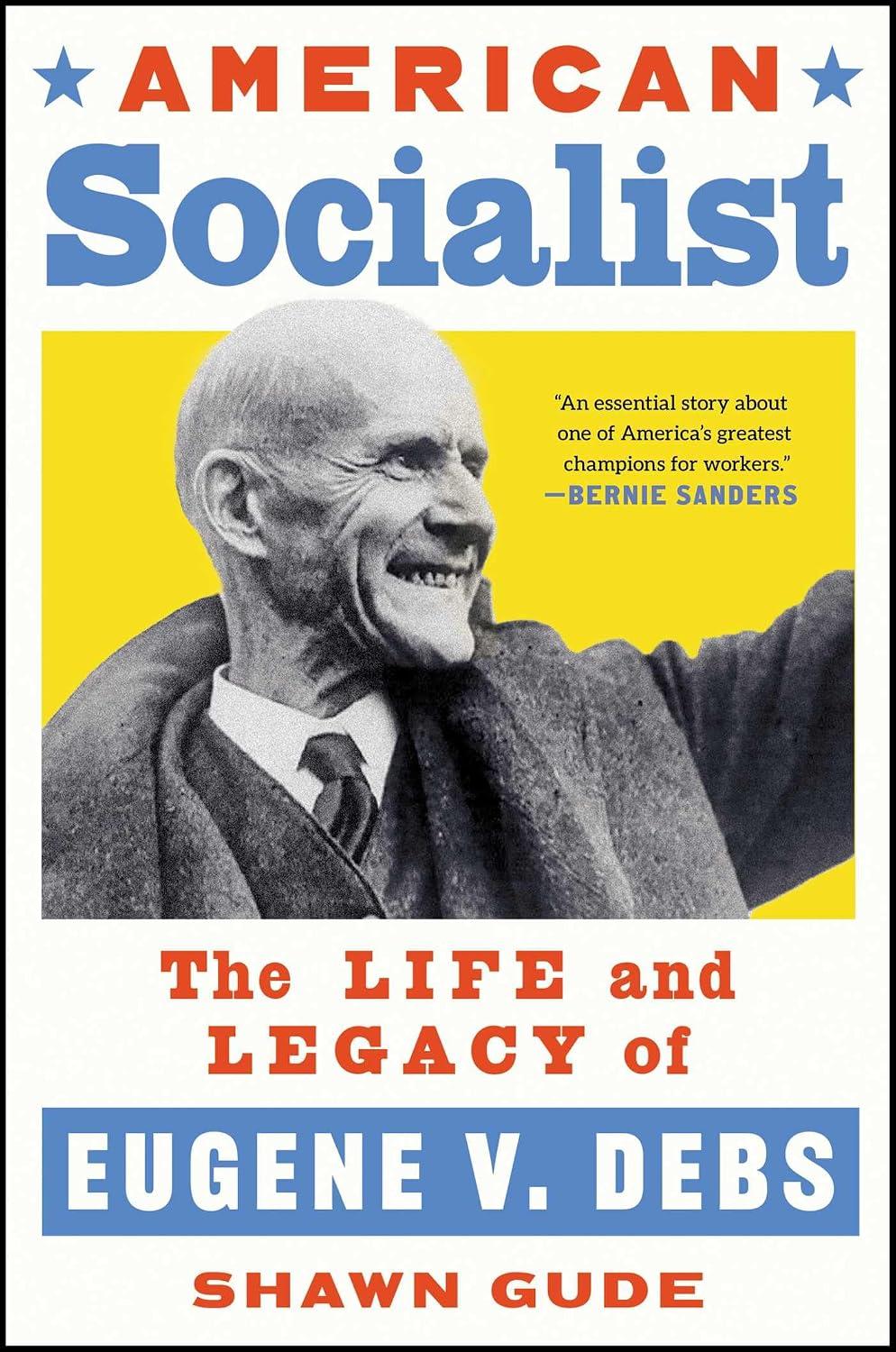
American Socialist: The Life and Legacy of Eugene V. Debs
Author:
Shawn Gude
The first popular biography of Eugene Debs, the railroad worker turned radical visionary whose leadership helped elect more than a thousand Socialists across the country during the Progressive Era and inspired generations of Americans to fight back against the power of the rich over our politics and our lives. Before Bernie Sanders, before Zohran Mamdani, America’s favorite socialist was Eugene Debs.
The first popular biography of Eugene Debs, the railroad worker turned radical visionary whose leadership helped elect more than a thousand Socialists across the country during the Progressive Era and inspired generations of Americans to fight back against the power of the rich over our politics and our lives. Before Bernie Sanders, before Zohran Mamdani, America’s favorite socialist was Eugene Debs. There was a time, a little more than 100 years ago, when some 1,200 Socialists held elected office across the United States. Wisconsin had a Socialist congressman in Washington. Ministers in Oklahoma preached the gospel of “Christian socialism” at revival-style gatherings come summertime. And Eugene V. Debs—part working-class agitator, part radical prophet—received nearly a million votes when he ran for president from behind bars. Even opponents would describe Debs as Christlike. Born in Indiana in 1855, he’d dropped out of school at fourteen to work on the railroad. He’d seemed a rising star in the Democratic Party: an optimistic moderate who urged respectability and compromise. But this was the Gilded Age: an era of corporate tycoons and outrageous sums of money in politics, of grueling hours and few (if any) rights for workers. And when, in 1894, the president sent thousands of troops to break a railroad strike Debs had helped organize, he was radicalized. He emerged from a six-month prison sentence as a crusader, a stirring orator who would soon see all forms of unaccountable power—rich over poor, men over women, white over Black, colonizer over colonized—as poisonous to human freedom. Cofounding the Socialist Party of America, Debs would spend the rest of his life striving to convince his countrymen that being an American and a socialist was the most natural thing in the world. It wouldn’t be easy. He would suffer from chronic illness, lose friends, enrage allies, and risk his marriage. But he would also spark a profound shift in the American consciousness. Today, the ideals he spent his life fighting for are more popular than at any point since his death. A rousing, poignant, intimately human tale of struggle against the odds, American Socialist is a stunning portrait of one man’s radicalization—and of the country he radicalized in turn.
Find this book on:
Episode overview
“I’m pragmatic,” Hasan Piker says, when it comes to how Democrats wield power.
Our last episode of the show featured a more centrist perspective on what Democrats should learn from their midterm triumph and what they should do when they take control of Congress next year. Today, we wanted to pair that with a perspective from the left.
Piker might be the most prominent leftist commentator in politics right now. The popular Twitch streamer catapulted to main character status in the recent election cycle, as he took on a more hands-on role stumping for candidates like Abdul El-Sayed in Michigan, and the right tried to turn him into a boogeyman in response.
So I want to talk to Piker about the election and how the Democratic Party should act going forward — especially when it comes to health reform, where I see a synthesis coming into view, and Israel, the issue where Piker is the most personally controversial, and where the Democratic coalition is at the greatest risk of tearing apart.